
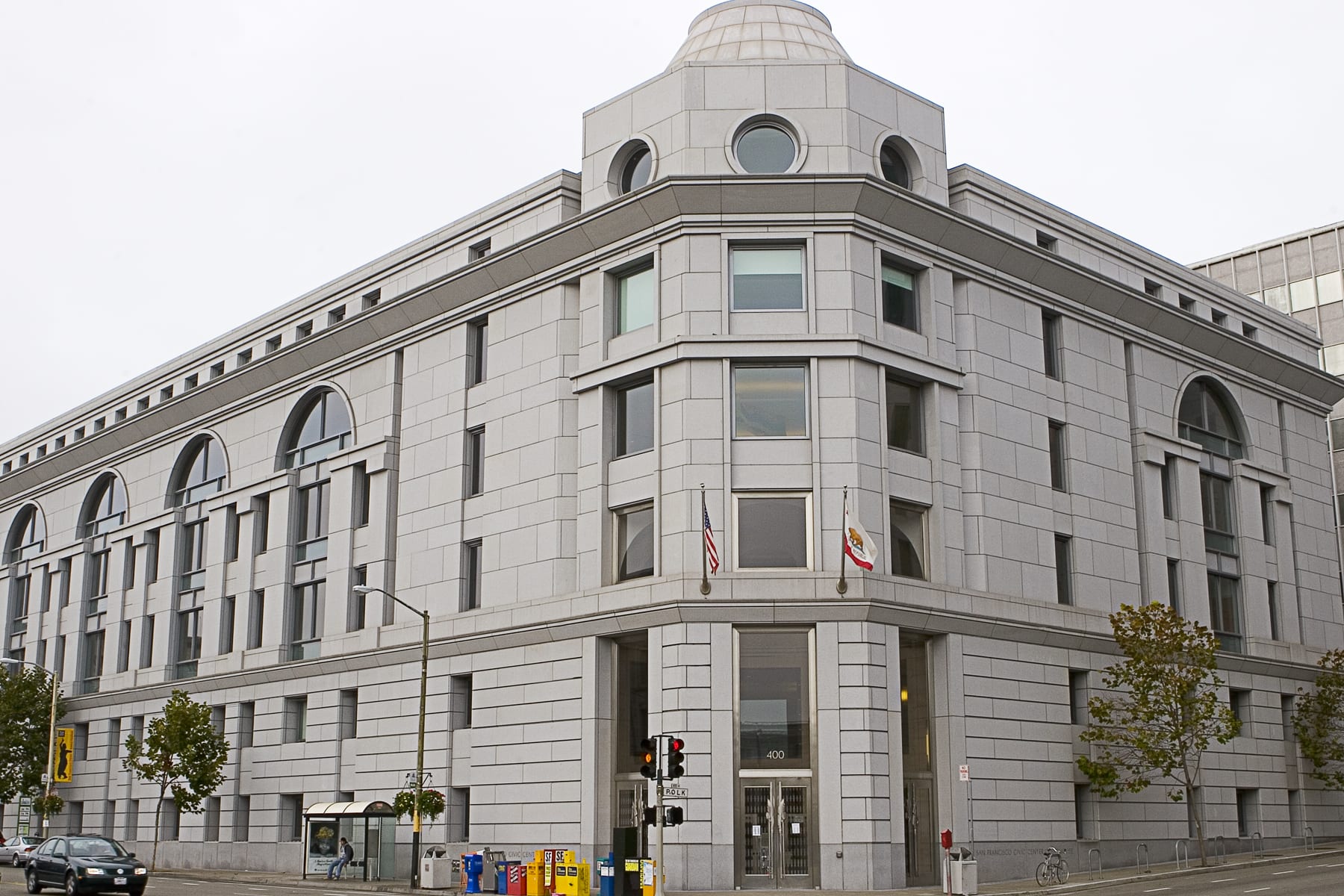
San Francisco Superior Court was one of the first courts in California to adopt Electronic Filing (eFiling), mandating its use for specific case types as early as 2014. Because the court implemented eFiling before sufficient infrastructure existed to support it however, eFiling at San Francisco Superior Court has undergone several drastic changes since its inception.
When the court adopted eFiling in 2014, practitioners were originally required to E-File through the court’s own portal. This continued until 2018 when San Francisco Superior Court closed its eFiling portal, began to approve various certified E-File service providers, and accepted eFiling for all case types.
However, the court still has a handful of restrictions on eFiling despite its 2018 mandate. Case types like Small Claims, Probate, and Unlawful Detainer still must be initiated physically at the clerk’s window. Small Claims and Probate are additionally exempt from mandatory eFiling. Litigants representing themselves pro-se are also exempt from the court’s mandate, although they are strongly encouraged to participate.
Like the other courts that had mandated eFiling pre-COVID, San Francisco Superior Court emerged from the year-long pandemic with relatively little backlog and quickly returned to business as usual. If the benefits to eFiling weren’t obvious pre-pandemic they most certainly are today, which is why the number of California Superior Courts requiring eFiling continues to grow at an accelerated pace.
If you have any questions regarding the specifics of eFiling in San Francisco County or need a broader perspective on the current state of eFiling in California, please feel free to reach out to us at: su*****@*****************er.com or (800) 687-5003


 Skip to content